
4G Emergency Phones for Campuses
Protecting Students, Staff, and Visitors with Dependable 4G Communication.
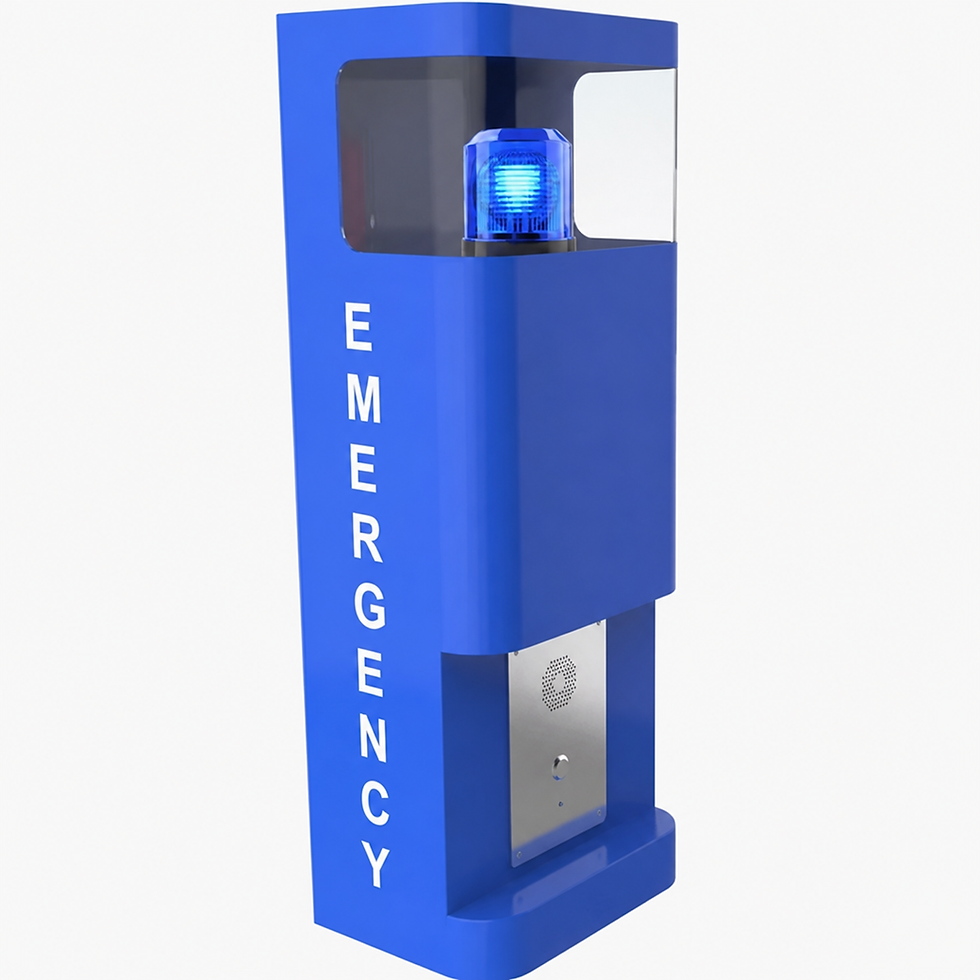
Providing fast access to emergency assistance is a key part of maintaining a safe campus environment. LightCom's 4G Emergency Phones for Campuses allow users to contact campus security, a monitoring center, or designated emergency contacts with the push of a button.
Using 4G LTE cellular connectivity, these rugged communication devices are designed for indoor and outdoor campus environments where immediate access to emergency assistance is essential.

Why Campuses Need 4G Emergency Telephones
Creating a safe learning environment is one of the highest priorities for every educational institution. Whether it's a medical emergency, security concern, suspicious activity, or after-hours assistance, emergency communication systems help connect people with campus security immediately.
Traditional analogue telephone networks are gradually being phased out in many regions. Upgrading to 4G emergency phones allows campuses to benefit from modern cellular communication without relying on ageing infrastructure.
Our 4G Emergency Phones for Campuses




Ideal Locations for Campus Emergency Phones
Our 4G emergency phones can be installed wherever reliable emergency communication is required, from high-traffic public areas to remote campus locations where immediate access to assistance is essential.
 Public Swimming PoolsMunicipal pools, community recreation centers, and public aquatic facilities often install emergency phones to provide rapid access to staff and emergency responders. |  Water ParksLarge water attractions may require emergency communication points near pools, wave pools, lazy rivers, splash zones, and first-aid stations. |  Hotels and ResortsEmergency pool phones help guests quickly contact staff during medical emergencies or safety incidents. |
|---|---|---|
 Schools and UniversitiesEducational institutions often install poolside emergency phones as part of their aquatic safety programs. |  Fitness Centers and Private ClubsHealth clubs and recreation facilities can use emergency communication stations to support swimmer safety and facility management. |
Analog vs SIP vs 4G Emergency Pool Phones
Key Criteria When Choosing an Emergency Pool Phones
01
Ingress Protection (IP) Rating
For pool environments, choose devices with at least IP54 to protect against splashes. For better durability—especially in humid or chlorine-rich conditions—opt for IP65 to IP67, which provide stronger protection against water and dust.
02
Corrosion Resistance and Materials
Look for stainless steel or steel panel with anti-corrosion coatings. These materials help resist rust caused by chlorine, moisture, and high humidity, preserving both safety and appearance.
03
Placement & Accessibility
Mount the phone so staff and guests can reach it quickly—preferably within 200 feet (≈ 60 meters) of the pool edge. Visibility (bright colors) and uncluttered access are critical for emergency response.
04
High Visibility
Colors like red, yellow, or orange stand out and make the phone easy to locate in panic situations. Clear signage or symbols also help.
05
Simple Operation
An Emergency Pool Phone should offer a single button or dedicated handset for emergency dialing. Minimize confusion—this ensures fast connection when every second counts.
06
Reliable Communication Types
Depending on what's available onsite, choose from:
-
Analog: Uses existing telephone or PBX infrastructure.
-
VoIP/SIP: Connects via network; can use PoE or DC power.
-
GSM/4G: Uses mobile network and works independently of wired infrastructure. Solar power options add redundancy.
07
Compliance & Accessories
Ensure devices meet relevant safety standards. Useful accessories include external horn speakers, strobe lights, noise-cancelling mics, and solar backup systems for power outages.
Emergency Pool Phone Installation Best Practices
Recommended Placement Areas
-
Pool entrances
-
Lifeguard stations
-
Pool decks
-
Water park attractions
-
Locker room exits
-
First aid stations
-
Parking areas serving aquatic facilities
Emergency phones should remain highly visible, unobstructed, and accessible to staff and visitors.
Related Solutions
Emergency Communication Solutions


Industry Solutions


CLIENTS
Tested and Trusted by Leading Industries


Frequently Asked Questions
1. What is an emergency pool phone?
An emergency pool phone is a dedicated communication device installed near swimming pools and aquatic facilities that provides immediate access to facility personnel or emergency responders.
2. Do emergency pool phones require a phone line?
Not always. Models are available in Analog, SIP/VoIP, and 4G LTE versions to match different infrastructure requirements.
3. What IP rating is recommended for outdoor pool phones?
For most outdoor pool installations, IP65 to IP67 protection is recommended to withstand water exposure and harsh weather conditions.
4. Can pool emergency phones dial 911?
Yes. Depending on configuration and local requirements, emergency phones can be programmed to call 911, security teams, lifeguards, or designated emergency contacts.
5. Are ADA-compliant pool emergency phones available?
Yes. ADA-friendly emergency call boxes and communication stations are available for projects requiring accessibility compliance.
6. What is the best emergency phone for a pool without network or phone lines?
A 4G LTE emergency phone, such as the LC301-1PB-4G or LC101-AD-4G-SOL, is often the simplest deployment option.
