
Mine Phone
Industrial Mine Telephones for Underground and Surface Mining
Mining is a high-stakes industry where efficiency, cost reduction, and safety are top priorities. Operators must ensure smooth operations by optimizing drilling, minimizing bottlenecks in material transport, and keeping workers safe from hazardous conditions like gas leaks, oxygen deprivation, extreme heat, and dust. A dependable communication system is essential to achieving these goals, preventing disruptions, and enhancing response times in emergencies.
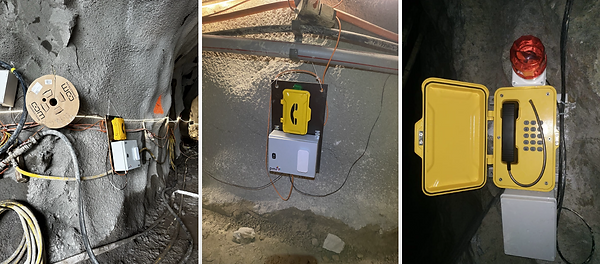
Why Communication is Vital in Mining
Mining is one of the most hazardous industries, with risks such as structural failures, gas leaks, oxygen depletion, extreme temperatures, and dust exposure. A mine phone system ensures instant communication between underground workers, control rooms, and emergency teams, minimizing risks and improving response times during crises.
VoIP-based mine phones are increasingly popular due to their ability to integrate with existing data networks, reducing costs and enhancing efficiency. However, analogue mine phones are still widely used because they are cheaper and can be used without the need to install a data network. LightCom’s Heavy Duty VoIP and analog Mining Phones are engineered for the toughest environments, ensuring seamless and reliable two-way communication when it matters most.
Mine Phone Applications
 Processing plants |  Loading and unloading zones |  Underground mining tunnels |
|---|---|---|
 Ventilation areas |  Control rooms |  Conveyor galleries |
 Crusher stations |  Hazardous gas environments |  Remote mining infrastructure |
 Pump stations |  Surface mining operations |  Refuge chambers |
Key Features of LightCom Mine Phones:
1. Extreme Durability:
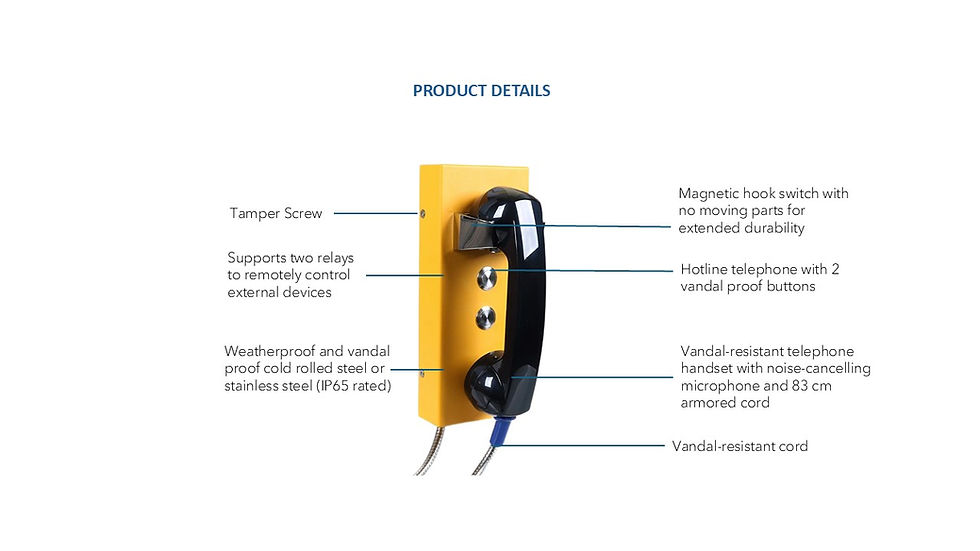
Designed with IP65, IP66, and IP67-rated weatherproof protection (comparable to NEMA 4X and NEMA 6P standards) and IK10-rated impact resistance for harsh industrial environments.
2. Reliable Connectivity:
Available in analog, SIP VoIP, and GSM/4G configurations for integration with existing mining and industrial communication infrastructure.
3. Low Maintenance & Remote Diagnostics:
VoIP mine phones support remote monitoring, firmware management, diagnostics, and centralized maintenance to reduce operational downtime.
4. High-Output Audio Performance:
Equipped with a high-powered 90 dB ringer and optional flashing beacon for high-noise industrial and mining environments.
5. Custom Configuration Options:
Available with multiple housing colors, custom labeling, programmable buttons, and accessory configurations to meet site-specific operational requirements.
6. Explosion-Proof & Intrinsically Safe Options:
Available hazardous-area models are designed for deployment in environments where flammable gases or combustible dust may be present.
Our Mine Phones:





Which Mine Phone Version Should You Choose?
Choosing the right communication type depends on the existing mining infrastructure, deployment environment, and operational requirements.
-
Analog (POTS): Connects to standard PBX systems using a two-wire line with line-powered operation. Suitable for mining sites using existing analog infrastructure and simple communication deployments.
-
SIP VoIP: Integrates with industrial IP networks and SIP PBX systems using PoE or local power adapters. Ideal for centralized management, remote diagnostics, and modern mining communication systems.
-
GSM/4G: Uses a SIM card for wireless communication, making it suitable for remote or temporary mining sites where wired infrastructure is unavailable.
-
Installation Considerations: Ethernet-based VoIP mine phones should typically be installed within 90 meters (295 feet) of a network switch for optimal network performance.
Why Choose LightCom for Your Mining Communication Needs?
LightCom has a proven track record of delivering rugged, high-performance telephones for the world’s most demanding environments. Our mine phones are engineered for reliability, ensuring seamless communication when it matters most. Whether upgrading an existing system or implementing a new one, our team is ready to help you choose the perfect solution.
For more details on choosing the right mine phone, check our case study:
📩 Contact us today to find the perfect Mine phone for your project!
Communication System Integration
LightCom mine phones can integrate with a wide range of industrial and mining communication systems, including:
-
SIP PBX systems
-
Industrial VoIP networks
-
Analog exchange systems
-
Dispatch communication platforms
-
SCADA-triggered communication systems
-
Public address and alarm systems
-
Fiber-optic mining networks
This allows mining operators to modernize communication infrastructure while maintaining compatibility with existing operational systems and communication networks.

Discuss Your Mining Communication Requirements
Whether you are upgrading an underground mine communication system, deploying communication phones across conveyor infrastructure, or implementing emergency communication systems for hazardous areas, LightCom can help configure the right mining telephone solution for your operation.
📩 Contact us today to find the perfect Mine phone for your project!
Frequently Asked Questions
Q1. What is the typical service life of an industrial mine telephone?
Service life depends on the environment and usage conditions, but industrial mine telephones are designed for long-term operation in demanding mining environments with minimal maintenance requirements.
Q2. What is the difference between a standard industrial phone and a mine telephone?
Mine telephones are specifically engineered for demanding mining environments and are designed to withstand dust, vibration, moisture, mechanical impact, extreme temperatures, and continuous industrial operation.

Q3. Can mine telephones be deployed at temporary mining sites?
Yes. GSM/4G models can be suitable for temporary or remote mining operations where wired communication infrastructure is unavailable.
Q4. Do industrial mine telephones require regular maintenance?
Industrial mine telephones are designed for low-maintenance operation, although periodic inspection, cleaning, and functional testing are recommended in harsh mining environments.
CLIENTS
Tested and Trusted by Leading Industries


Verified to Industry Standards




Related Articles
.png)

