
4G Cellular Elevator Emergency Phones for POTS Replacement
Replace aging copper telephone lines with a modern cellular connection for elevator emergency communication.
LightCom 4G cellular elevator emergency phones provide a practical option for POTS replacement, elevator modernization, retrofit projects, and buildings where a traditional landline is unavailable. Designed for emergency calling from elevator cabs, these systems use cellular connectivity instead of a dedicated copper telephone line.
Depending on the model, LightCom solutions support 4G/LTE connectivity and hands-free emergency calling for elevator applications.

Problem
Why Replace a POTS Line for an Elevator Emergency Phone?
Copper telephone lines are being phased out, and an elevator still needs a working line to call for help.
Carriers are retiring copper
Major providers are winding down analog POTS service, with several targeting substantial retirement. A line your elevator depends on can stop being available to renew.
The line costs more every year
Where POTS service is still offered, it's increasingly expensive to lease and maintain compared to modern alternatives.
New installs are slow and costly
Running a fresh copper line back to a phone room adds weeks and expense to modernization and retrofit projects.
Some buildings do not have a dedicated telephone line
New construction, remote sites, and hard-to-wire buildings are often left without copper infrastructure at all.
A 4G cellular elevator phone solves all problems - no copper line, no single-provider dependency, and no wait for a phone room connection.
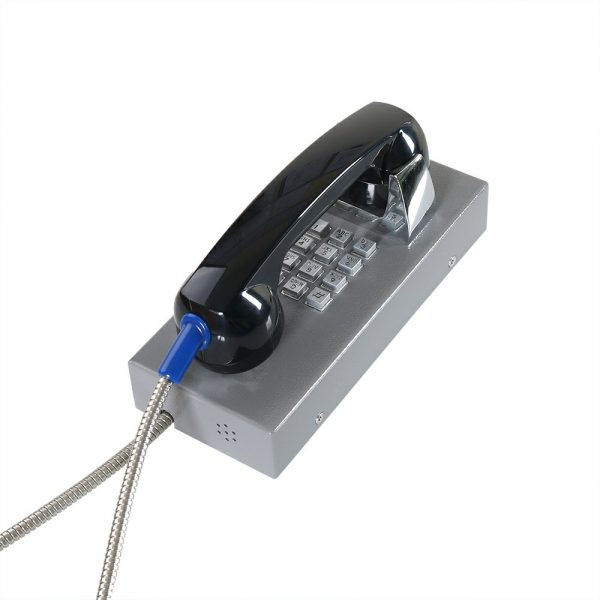
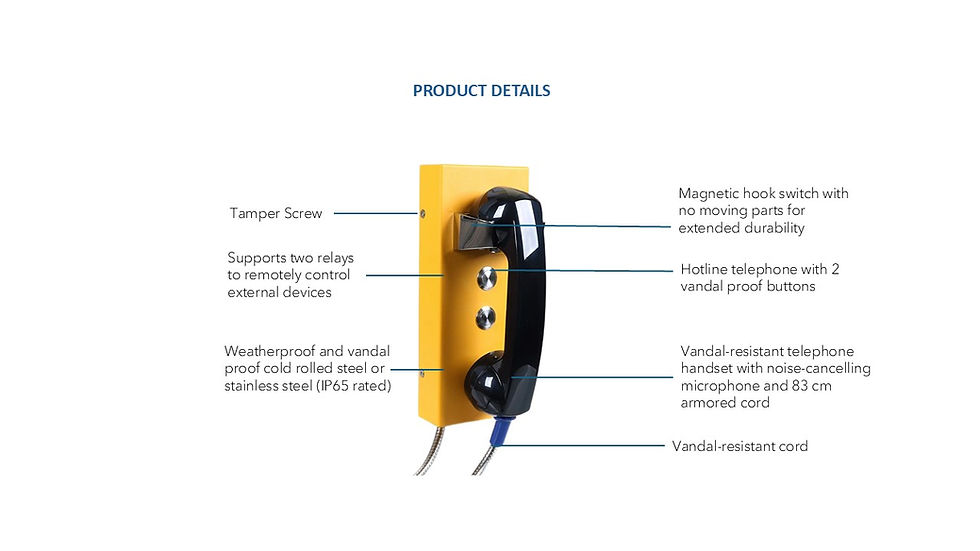
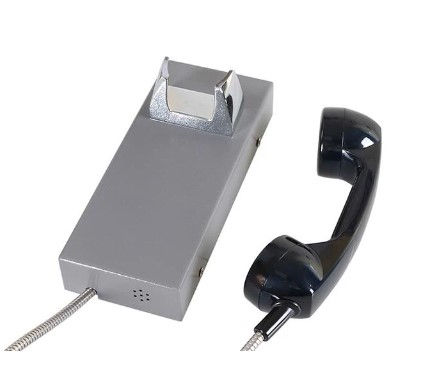
LightCom 4G Cellular Elevator Emergency Phones







THE USP
Why Choose a LightCom 4G Cellular Elevator Telephone?
We sell the hardware, not a service contract. You choose the carrier, the plan, and the cost that works for the project.
No LightCom subscription required
The unit works with a SIM from any supported carrier, there's no LightCom cellular plan to sign up for.
You choose the carrier
Use whichever carrier gives the best coverage at the building and the most cost-effective plan for the project.
No proprietary service lock-in
Switch carriers or renegotiate a plan later without replacing the hardware.
How Does an Elevator 4G Phone Work?
A 4G cellular elevator phone replaces the dedicated POTS/copper telephone connection with a SIM-based cellular connection.
Where Can Cellular Elevator Phones Be Used?
01
Elevator Modernization & Retrofit Projects
Replace existing elevator communication equipment with a cellular configuration during modernization or retrofit work.
04
Buildings With Multiple Elevators
Support emergency communication projects involving multiple elevator cabs, with the appropriate phone configuration selected for each installation.
02
New Elevator Installations
Provide emergency communication where a cellular connection fits the building's planned elevator communication infrastructure.
03
Low, Mid, and High-Rise Buildings
Cellular elevator phones can be used across different building heights, subject to cellular coverage and installation requirements.
05
Across Multi-Property Portfolios
Standardize elevator emergency communication across multiple properties using compatible cellular configurations and customer-selected cellular service.
4G Cellular vs. Traditional POTS Elevator Phone
Standalone 4G Elevator Emergency Phone Features
01
One-Touch Emergency Calling
Supports fast emergency communication with programmable auto-dial functionality for security teams, monitoring centers, or emergency contacts.
02
Clear Audio Communication
Equipped with high-quality audio components and noise-reduction technology to help maintain clear communication inside elevator environments.
03
Vandal-Resistant Construction
Heavy-duty and vandal-resistant designs help protect communication equipment in public and high-traffic environments.
04
Multiple Communication Technologies
Supports Analog, SIP/VoIP, and 4G LTE communication technologies to accommodate different building communication requirements and infrastructure environments.
05
ADA-Compliant Configuration Options Available
Configurations supporting ADA-oriented emergency communication requirements are available for elevator installations requiring accessibility accommodations.
06
Flexible Installation Options
Supports retrofit installations, elevator communication upgrades, and new construction elevator deployments across commercial and public infrastructure environments.
07
Optional Advanced Features
Optional system configurations may include flashing beacons, loudspeakers, noise-canceling microphones, backup battery systems, dry contact integration, and remote monitoring functionality, depending on project requirements.
Future-Proof Your Elevator Emergency Communication System
Upgrade aging elevator communication systems with standalone 4G elevator emergency phone solutions designed for telecom transition projects, elevator connectivity upgrades, and cellular migration deployments.
Why Choose LightCom for Elevator Emergency Communication?
Built for Critical Communication Environments
LightCom designs industrial communication systems for environments where reliable emergency communication is essential.
Trusted Across Critical Industries
LightCom communication solutions are used across transportation, public safety, industrial, utility, healthcare, and commercial environments worldwide.
Proven Reliability
Our rugged communication solutions support long-term operation with MTBF ratings of up to 65,000 hours for high-availability emergency communication environments.
Technical Support and Integration Assistance
We provide technical guidance, customization support, and integration assistance for complex communication infrastructure projects.
Multiple Communication Technologies
Support for Analog, SIP/VoIP, and 4G LTE provides flexibility for both legacy and modern building infrastructure
Certified and Industrial-Grade Solutions
Selected models are available with certifications and industrial protection ratings suitable for demanding indoor and outdoor environments.
Choose the Right Communication Technology for the Elevator Emergency Phone
-
4G LTE Cellular – Ideal for buildings replacing traditional landlines or where wired infrastructure is limited
-
SIP/VoIP – Suitable for facilities using IP-based communication networks
-
Analog (POTS) – Used with traditional telephone infrastructure where analog service is still available
Elevator Emergency Phone Applications
 Commercial Office BuildingsCellular elevator emergency communication systems help airports, transit stations, rail terminals, and transportation facilities maintain reliable emergency calling across high-traffic public areas. |  Residential Apartment BuildingsCellular elevator emergency phones support apartment buildings, condominiums, and multi-family properties by providing a modern emergency communication solution without relying on traditional analog phone lines. |  Parking GaragesSealed, anti-static industrial phones designed for ISO-classified cleanrooms, enabling stable IP communication in semiconductor and electronics production. |
|---|---|---|
 Hospitals and Healthcare FacilitiesReliable elevator emergency communication is critical in hospitals, medical centers, and healthcare facilities where patients, visitors, and staff must be able to quickly reach help during an elevator emergency. |  Universities and CampusesCellular elevator phones support campus-wide elevator communication upgrades across academic buildings, dormitories, parking structures, athletic facilities, and remote campus locations. |  Hotels and Hospitality FacilitiesStandalone elevator emergency phones help hotels, resorts, and hospitality properties provide dependable passenger emergency communication while supporting modernization and POTS line replacement projects. |
 Industrial and Manufacturing SitesRugged 4G elevator emergency phones are suitable for industrial facilities, warehouses, factories, and manufacturing plants where durable communication equipment and reliable emergency calling are essential. |  Airports and Transportation HubsIP-rated cleanroom communication systems engineered for precision aerospace manufacturing environments. |  Government FacilitiesStandalone 4G elevator emergency phones support public buildings, municipal facilities, courthouses, and government sites requiring dependable elevator emergency communication and long-term infrastructure modernization. |
Elevator POTS Replacement and Installation Considerations
As telecom providers continue retiring copper phone networks, many facilities are upgrading elevator emergency communication systems to LTE-based cellular connectivity. Standalone 4G elevator emergency phones help replace outdated analog communication systems with modern cellular emergency communication technology.
Installation methods, wiring requirements, power configurations, and two-way emergency communication requirements may vary based on the elevator system design, ASME A17.1/CSA B44 requirements, and applicable local code requirements.
LTE signal strength can vary depending on building construction, elevator shaft location, underground installation areas, and carrier coverage. Some projects may require external antennas or signal enhancement solutions.
Final installation, testing, and approval should always be completed by qualified elevator contractors and according to applicable local regulations.
Related Resources

Request Information About Standalone 4G Elevator Emergency Phones
Whether you want standalone 4G elevator emergency phone solutions for POTS replacement, want to sell or integrate LightCom elevator communication systems, or need to place a tax-exempt order, contact us.
Need standalone 4G elevator emergency phone products for your project?
Need standalone 4G elevator emergency phone products for your project?
Distributor & Integrator Inquiry
Want to sell or integrate LightCom elevator emergency phone products?
Frequently Asked Questions
Q1. Can elevator emergency phones work without a traveler cable?
Some retrofit configurations may reduce certain traditional wiring requirements depending on elevator design, available power, and local code approval. Final installation requirements depend on elevator configuration and local code requirements.
Q2. What power is required for a standalone elevator emergency phone?
Standard-configuration units are supplied with a 120 V AC or 240 V AC power supply, depending on the destination country. Power requirements may vary depending on the elevator system configuration, communication hardware, backup power requirements, and project design. Facilities should review battery backup and emergency power considerations with qualified elevator professionals during system planning.

Q3. Can the system work without dedicated phone room wiring?
Our 4G Elevator Emergency Phones operate via an 4G-LTE antenna connected directly to the unit, which is mounted at any convenient location on the elevator car; this eliminates the need to run cables to the elevator machine room, as everything connects locally inside the car.
Q4. Which cellular carriers are supported?
For the U.S. market, our 4G elevator emergency phones are typically configured to work with major cellular networks, including Verizon, AT&T, T-Mobile, and compatible MVNO/sub-carrier providers. Carrier compatibility may depend on the cellular module, SIM activation, signal coverage at the installation site, and project configuration.
For installations outside the United States, supported carriers and frequency bands should be confirmed based on the specific device model and the technical specifications listed in the product description.
Q5. Can a cellular elevator emergency phone work without a landline?
Many standalone cellular elevator emergency phones use 4G LTE communication to reduce dependence on traditional analog phone lines and legacy POTS services, depending on system configuration and local code requirements.
Q6. Who installs the elevator emergency phone system?
Installation should be performed or reviewed by qualified elevator contractors and authorized technicians familiar with elevator communication systems and applicable local requirements.
Q7. Is the system code compliant?
Compliance requirements vary depending on jurisdiction, elevator type, and project scope. Final installation and approval should always be reviewed by the elevator contractor, AHJ, and applicable code requirements.
Tested and Trusted by Leading Companies


