
Elevator Telephone
Reliable Emergency Elevator Telephone for Any Situation
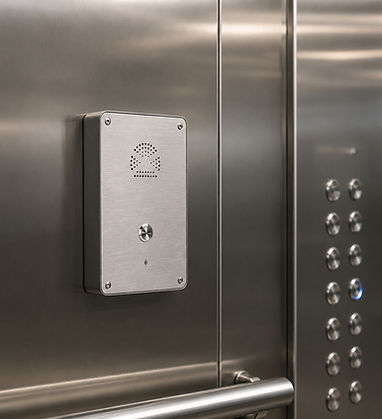
Every elevator must have a reliable emergency elevator telephone to ensure passenger safety and compliance with regulations. Our elevator telephones provide clear, instant communication with emergency services, maintenance teams, or building security.
These enclosures are strong and resist vandalism. They provide clear audio and are reliable. Their mean time between failures (MTBF) is 50,000 to 65,000 hours.
Choose the Right Elevator Phone
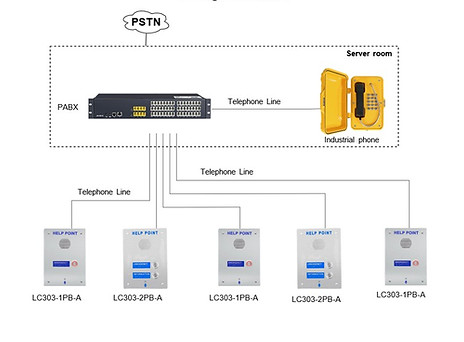
1. Analog/POTS
Connects to a traditional telephone line, typically using existing copper wiring.
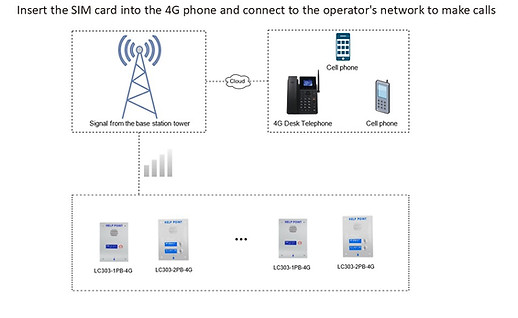
2. 4G LTE/Wireless
Uses a wireless cellular network to provide emergency communication without a traditional phone line.
4G Cellular Elevator Emergency Phones for POTS Replacement
As many buildings phase out or replace traditional POTS lines, 4G cellular technology offers a practical alternative for elevator emergency communication. LightCom offers 4G elevator phones that can operate without a traditional telephone line, helping simplify upgrades and modernization projects.
We provide the hardware without requiring customers to use our cellular service or monthly subscription. Compatible models can use a SIM card from a supported carrier, giving building owners, elevator contractors, and integrators greater flexibility to select a cellular plan that fits their coverage needs and budget.
Our 4G cellular elevator emergency phone solutions include standalone elevator phones, designed for installations that need a dedicated cellular connection without a traditional phone line.
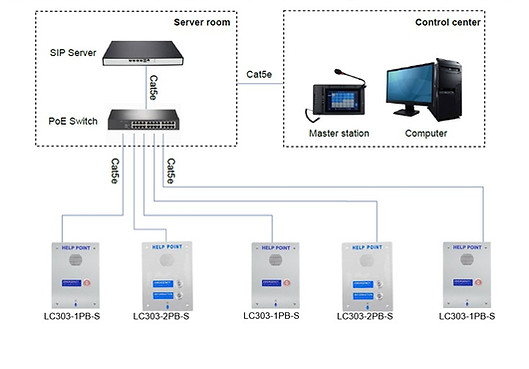
3. SIP/VoIP
Connects through an Ethernet/IP network to transmit voice calls digitally.
What Makes LightCom Emergency Elevator Telephones Different?
Multiple Communication Technologies:
Supports Analog, SIP/VoIP, and 4G LTE configurations to work with different elevator communication infrastructures.
Reliable & Long-Lasting:
Built for demanding elevator environments, with selected LightCom models offering 50,000 to 65,000 hours MTBF for dependable long-term operation.
Clear Audio Communication:
Noise-reduction technology and optional noise-canceling microphones help maintain clear two-way communication in elevator and equipment environments.
Cost-Effective Installation:
Wireless GSM/4G models can reduce the need for traditional telephone-line wiring and new PBX infrastructure, making them a practical option for suitable elevator modernization and retrofit projects.
Meets US Safety Standards:
Compliant with applicable ADA requirements and local building or installation codes, with model and project-specific requirements confirmed before installation.
Trusted by Leading Companies:
LightCom communication solutions are used across industrial, utility, transportation, public safety, healthcare, and commercial environments.
Why an Elevator Emergency Telephone is Essential
-
Mandatory by Law – ASME A17.1 and ADA regulations require functional emergency communication systems in elevators.
-
Instant Emergency Response – Enables passengers to call for help in case of entrapment or malfunction.
-
Clear Audio in Noisy Environments – High-quality noise-canceling microphones ensure clear communication.
What to Look for in an Elevator Emergency Phone
Browse Our Models Below & Ensure Your Elevators Meet Safety Standards!


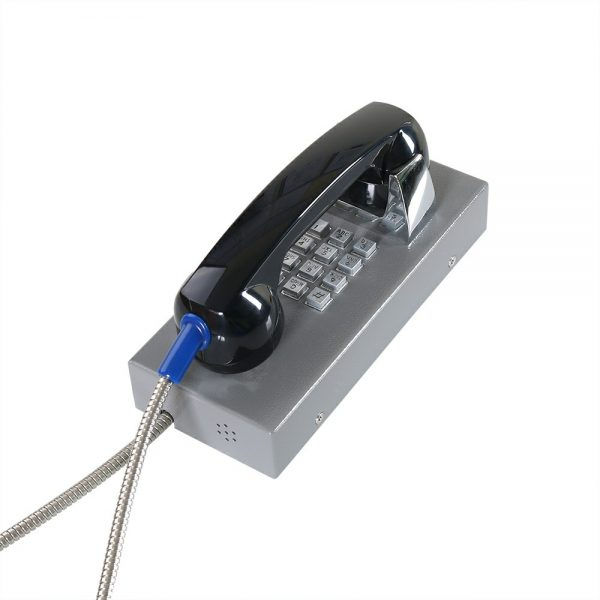

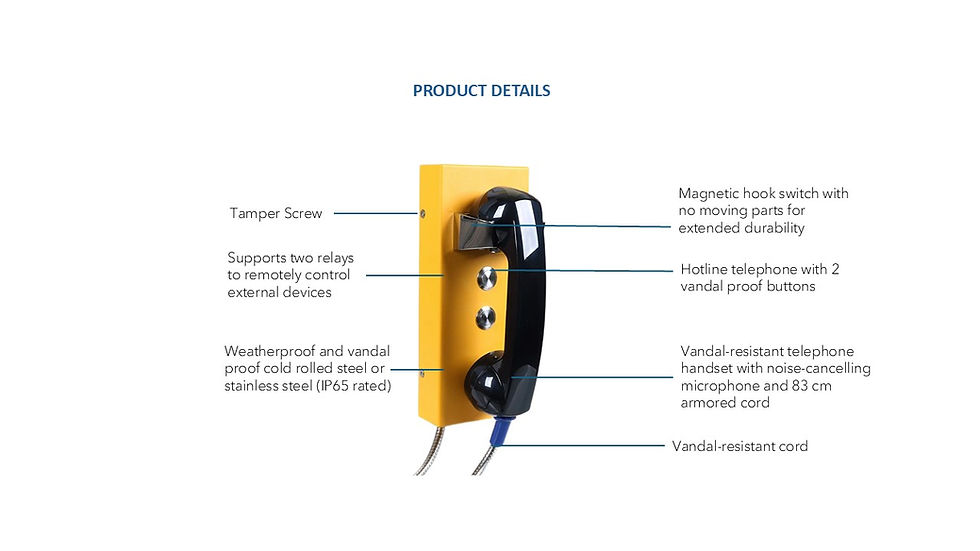


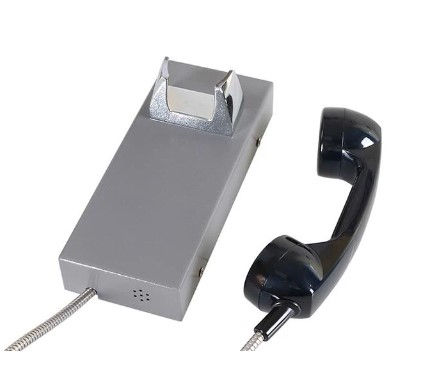


Where Are Elevator Emergency Phones Used?
Elevator emergency phones can be used in low-rise, mid-rise, and high-rise buildings, depending on applicable codes, regulations, and project requirements.
These emergency phones can be installed in:
-
Elevator Cabins: Provide passengers with direct access to emergency or designated contacts.
-
Elevator Machine Rooms: Support communication for maintenance and service personnel.
-
Elevator Hoistways: Provide communication for authorized personnel working within elevator shafts where required.


Frequently Asked Questions
Q1. Can the emergency elevator phones work without a wired network?
Yes. 4G cellular elevator phones can replace traditional POTS lines, using GSM/4G connectivity for emergency communication without requiring a wired telephone line or network connection. They are suitable for elevator modernization projects and locations where traditional lines are unavailable or impractical.
Q2. Are elevator emergency phones legally required?
In most regions, elevator emergency phones are required to meet building codes and elevator safety standards (such as ASME and ADA compliance), ensuring passengers can request assistance at all times.
Q3. How do emergency elevator telephones improve passenger safety?
They provide immediate two-way communication during entrapments or malfunctions, typically via one-touch dialing and hands-free operation, often connected to security or monitoring centers.
Q4. How are elevator telephone systems managed in large buildings?
Multiple elevator phones are integrated into a centralized monitoring or security system, using analog, VoIP, or cellular connections, depending on the building’s infrastructure.
Q5. Can elevator emergency phones be customized?
Yes. Customization options may include branded panels, button labeling, hands-free or handset models, visual alerts for hearing-impaired users, and integration with security or fire alarm systems.
Q6. Do cellular elevator phones require a monthly LightCom subscription?
No. LightCom provides the cellular phone hardware without requiring customers to purchase a LightCom cellular service plan. A compatible SIM and cellular service can be obtained from a supported carrier.

Get the Right Elevator Emergency Phone for Your Project
Get a tailored elevator phone configuration based on your project needs
Distributor & Integrator Inquiry
Partner with LightCom for elevator communication products and project solutions.


