
Blue Light Emergency Phones
Visible. Reliable. Ready when every second matters!
Picture yourself walking through a quiet parking lot, university campus, or public space after dark. Even in familiar surroundings, unexpected situations can happen. When immediate communication and quick access to assistance matter most, having a clear and dependable emergency contact point becomes essential.
That’s where Blue Light Emergency Phones play an important role, providing highly visible, easy-to-access emergency communication that helps improve safety and response times in public and commercial environments.
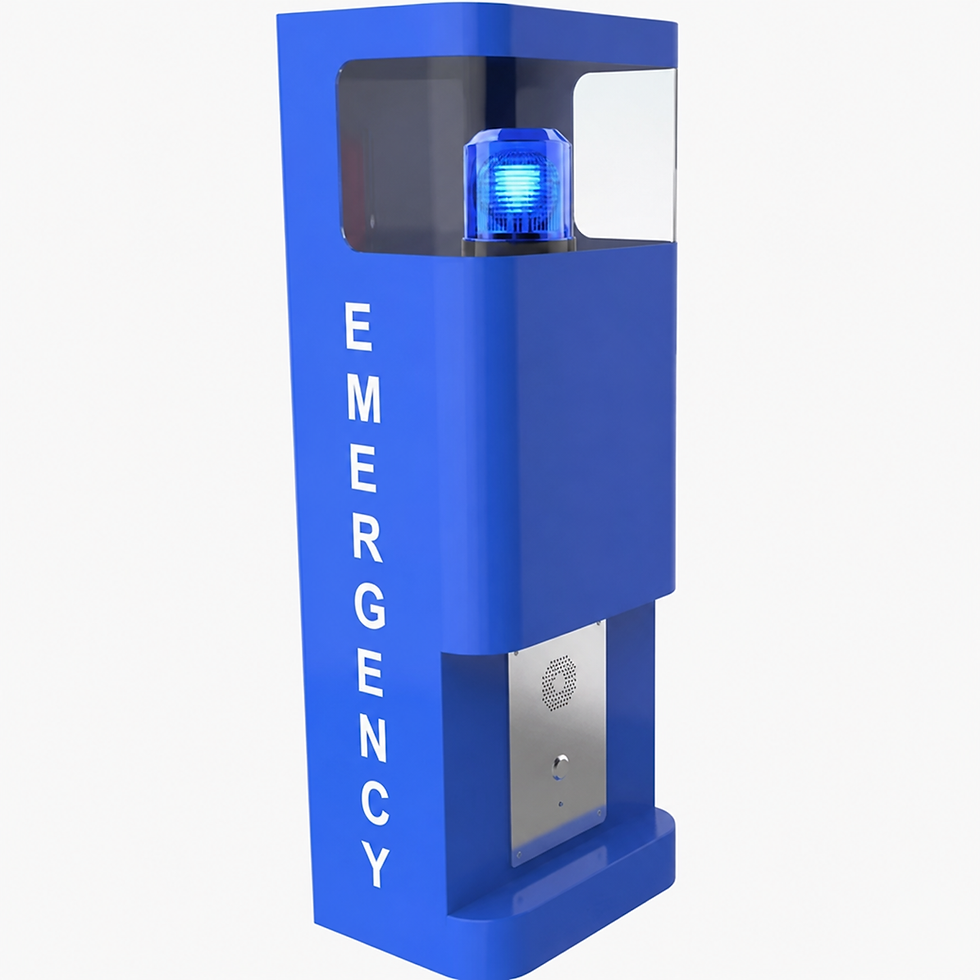
Depending on the application, emergency communication installations can include wall-mounted emergency phones, standalone outdoor call stations, and freestanding blue light emergency towers.

What Are Blue Light Emergency Phones?
Blue Light Emergency Phones are strategically placed communication devices designed to provide instant connection to emergency services. Recognizable by their illuminated blue lights, these phones serve as beacons of safety, ensuring that assistance is just a button press away.
Features of Blue Light Emergency Phones
01
Reliable 24/7 Communication:
Whether wired or completely wireless, these phones operate 24/7, even in harsh weather conditions, ensuring you're never left without a lifeline.
02
Enhanced Safety & Faster Response:
Equipped with voice connectivity, broadcast warning capabilities, flashing strobes, and area illumination, they assist responders in locating callers swiftly.
03
Durable & Weather-Resistant Construction:
Built to withstand tough environments, these devices are tamperproof, weatherproof, and finished with materials that resist rust and corrosion.
Our Blue Light Emergency Phones




How to Choose the Right Blue Light Emergency Phone
Where Can Blue Light Emergency Phones Be Installed?
 Parking Lots & StructuresProviding a sense of security in areas where individuals might feel vulnerable. |  College & University CampusesEnsuring students and staff have immediate access to help across expansive grounds. |  Electric Charging StationsOffering assistance points in areas that might be isolated or less frequented. |
|---|---|---|
 Remote Biking/Hiking PathsGiving adventurers a reliable way to call for help in secluded areas. |  Transit Stations & OfficesEnhancing safety in places with high foot traffic or during off-peak hours. |  Public Parks & Recreational AreasImproving visitor safety in open public spaces. |
 Warehouses & Distribution CentersAllowing employees to quickly report emergencies across expansive sites. |  Airports & Transportation HubsProviding visible emergency access for travelers and staff. |
Analog vs SIP vs 4G Blue Light Emergency Phones
Related Resources


Frequently Asked Questions
Q1. Are blue light emergency phones still necessary if everyone has a mobile phone?
Yes. Mobile devices can lose power, experience poor signal coverage, or become unavailable during emergencies. Dedicated emergency phones provide a reliable alternative communication method.
Q2. Are Blue Light Emergency Phones ADA compliant?
Many models support accessibility-focused features such as hands-free operation, visual indicators, and configurable installation options. Final ADA compliance depends on installation requirements and project-specific regulations.
Q3. How long do Blue Light Emergency Phones typically last?
Service life depends on the model, environmental conditions, and maintenance practices. Industrial-grade, weather-resistant units are designed for long-term outdoor operation and are commonly used in demanding public and commercial environments.
Q4. Are Blue Light Emergency Phones suitable for temporary installations?
Some projects use cellular and solar-powered systems for temporary deployments at events, construction sites, public gatherings, or seasonal facilities where permanent infrastructure is not practical.
5. Are Blue Light Emergency Towers Suitable for University Campuses?
Yes. Blue light towers can provide clearly identifiable communication points across university campuses, including parking areas, pedestrian routes, recreational spaces, and locations between buildings.
6. Can Blue Light Towers Operate Using Solar Power?
Yes. Blue light tower installations can be configured with solar power where suitable equipment and power arrangements are available. Solar panel capacity, battery storage, and equipment consumption should be evaluated according to site conditions.
7. Can an Emergency Call Station Be Installed Without a Landline?
Yes. An emergency call station can use SIP/VoIP or 4G LTE cellular connectivity instead of a traditional telephone line, depending on the selected model and available network infrastructure.

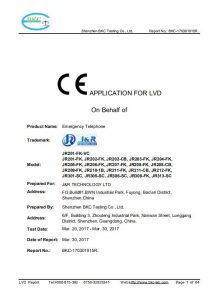
Compliance & Regulatory Standards




CLIENTS
Tested and Trusted by Leading Industries


