
Marine and Offshore Communication Phones
Reliable Communication When Every Second Matters
Communication is critical to the safety and efficiency of marine and offshore operations. From commercial vessels and offshore platforms to ports and shipyards, teams depend on reliable communication systems to stay connected in demanding environments.
LightCom Telecom provides rugged marine and offshore communication phones designed for operation in saltwater and offshore environments. Available in SIP, Analog, and 4G/LTE configurations, our solutions help support clear and dependable communication across critical operations.

Built for Harsh Marine Conditions
Offshore and maritime operations face unique communication challenges every day. Equipment is constantly exposed to:
-
Saltwater corrosion
-
Heavy rain and moisture
-
High winds
-
Extreme temperatures
-
Mechanical vibration
-
Industrial noise
-
Hazardous operating conditions
Our Marine and Offshore Communication Phones


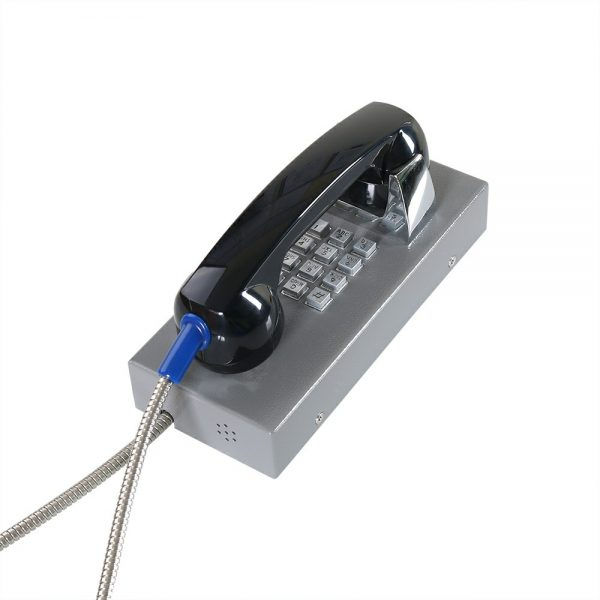


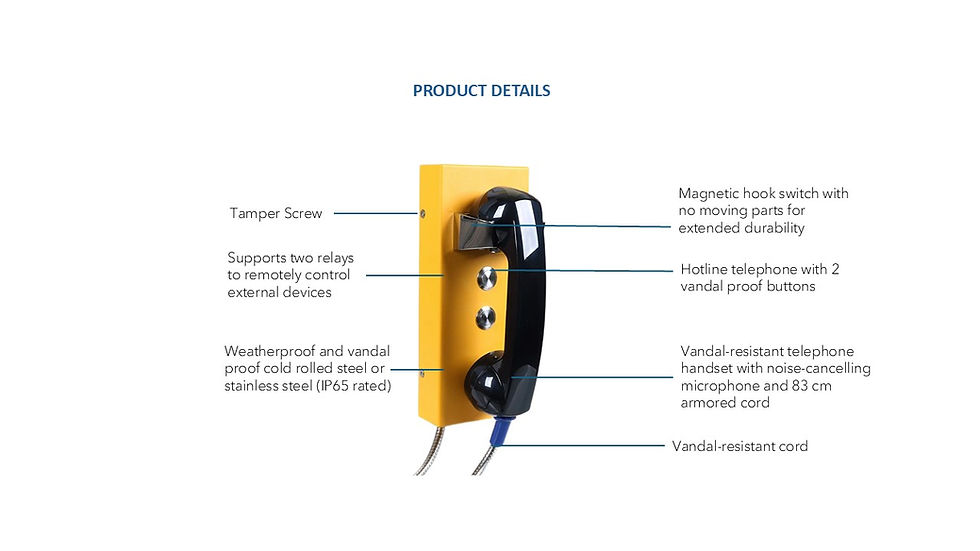


Features Our Communication Phones Have
✓ IP66/IP67 Weatherproof Protection
✓ Corrosion-Resistant Construction
✓ Noise-Canceling Technology
✓ High-Volume Ringers and Speakers
✓ Analog, SIP, and 4G Connectivity
✓ Emergency Hotline Functions
✓ Vandal-Resistant Design
✓ 24/7 Continuous Operation
✓ Custom Configurations Available
✓ Long Service Life and Low Maintenance Requirements
Marine and Offshore Applications
LightCom’s marine and offshore telephone support provides operational communications across vessels, offshore facilities, ports, and coastal infrastructure where safety, operational coordination, and emergency response are essential.
 Commercial VesselsImprove communication between bridge, engine room, cargo areas, and crew members during daily operations and emergencies. |  Offshore Oil & Gas PlatformsMaintain reliable communication between control rooms, production areas, maintenance crews, and emergency response teams. |  Ports and HarborsSupporting communications throughout port terminals, loading zones, dockside operations, security checkpoints, maintenance workshops, and control centers. |
|---|---|---|
 Shipyards and Marine TerminalsEnsure clear communication across large construction and maintenance sites where noise levels are high. |  Coastal InfrastructureProvide dependable emergency communication for docks, terminals, ferry stations, and marine transportation networks. |
Connectivity Options for Every Installation
Every marine facility has different infrastructure requirements. That's why our communication phones are available in multiple configurations.
SIP / VoIP Marine Phones
Perfect for modern IP-based communication networks and centralized management systems.
Analog Marine Phones
Ideal for facilities using traditional telephone infrastructure and requiring simple, reliable operation.
4G LTE Marine Phones
Excellent for remote offshore locations where wired communication networks are unavailable
Benefits of Choosing Lightcom Telecom’s Marine Communication Phones
01
Superior Durability
Built to withstand harsh offshore conditions year after year.
02
Crystal-Clear Audio
Advanced noise reduction technology ensures conversations remain clear in high-noise environments.
03
Flexible Integration
Available in Analog, SIP, and 4G versions for seamless integration with existing systems.
04
Low Maintenance
Designed for long-term reliability with minimal servicing requirements.
05
Global Deployment Support
Technical assistance, customization, and worldwide delivery help ensure project success regardless of location.


Frequently Asked Questions
1. What information should be provided when requesting a marine communication solution?
To help identify a suitable solution, it is helpful to provide details such as the installation location, communication technology preference, environmental conditions, power availability, and any integration requirements.
2. Can offshore communication phones be used in international marine operations?
Yes. Many communication systems are designed to support global deployment and can be adapted to various communication standards and operational requirements worldwide.
3. What should be considered when planning a marine communication system?
Factors may include environmental exposure, communication coverage requirements, network infrastructure, power sources, emergency communication needs, and future expansion plans.
4. Can communication solutions be expanded as operational requirements change?
Many organizations plan communication infrastructure with future growth in mind, allowing additional communication points or facilities to be incorporated as operational needs evolve.
5. What is the difference between a standard industrial phone and a marine communication phone?
Marine communication phones are specifically engineered to resist salt spray, corrosion, moisture, and harsh weather conditions commonly encountered in offshore and maritime environments.


