
How to Choose an Emergency Phone for Remote and Harsh Environments
When communication fails in remote, rural, or hazardous environments, emergency response may be delayed, operational downtime can increase, and worker safety may be at risk. Choosing the right emergency phone requires evaluating environmental conditions, infrastructure availability, network reliability, durability standards, and operational requirements.
Industries such as mining, oil and gas, transportation, utilities, marine operations, and public infrastructure rely on emergency communication systems capable of operating in extreme weather, high-noise industrial areas, and isolated outdoor locations where standard telephones may not provide reliable performance.
This guide explains how to choose an emergency phone for harsh environments, including key durability features, communication technologies, and environmental protection standards to consider.
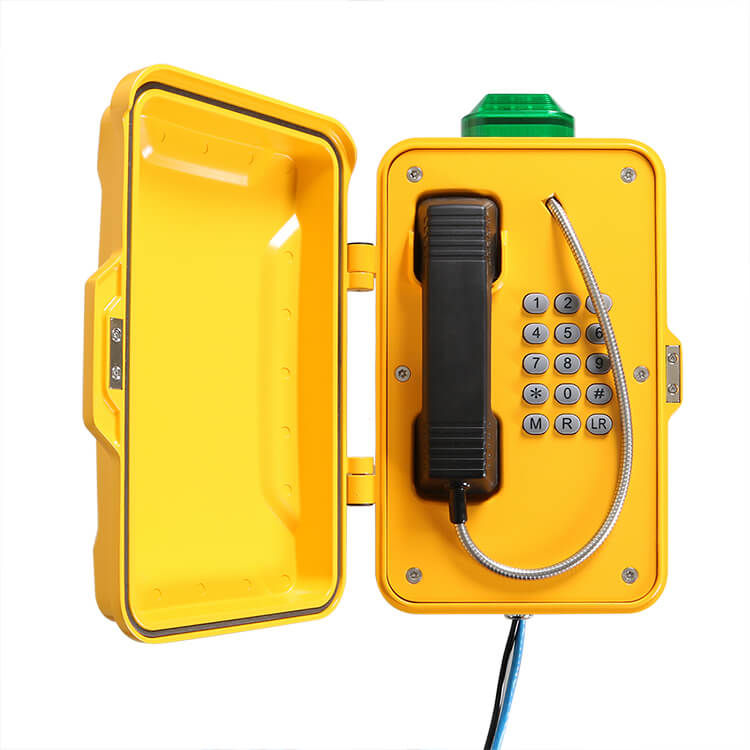
Importance of Emergency Phones in Remote and Industrial Areas
Remote and industrial facilities often operate in environments where communication equipment is exposed to moisture, dust, vibration, extreme temperatures, physical impact, and unstable power or network conditions. In hazardous industries such as mining, manufacturing, marine operations, and energy, communication failures can delay emergency response and disrupt operational safety.
Industrial emergency phones designed for outdoor and high-risk environments typically use sealed IP66/IP67 enclosures, corrosion-resistant stainless steel or aluminum housings, and components rated for extended temperature operation.
Some models also include IK-rated impact protection, conformal-coated electronics, and vibration-resistant mounting systems to improve long-term reliability in demanding industrial conditions.
Factors to Consider When Choosing an Emergency Phone
Selecting the right emergency phone requires evaluating the operating environment, communication infrastructure, durability requirements, and safety needs of the site. The following factors can help determine which type of emergency communication system is most suitable for remote, industrial, or high-risk environments.
1. Evaluate the Installation Environment:
The operating environment should determine the phone’s enclosure, materials, and certifications. Different environments require different protection levels:
Environment | Recommended Features |
Waterproof housing, noise reduction, armored cords | |
Corrosion-resistant materials, IP66/IP67 protection | |
Chemical plants | Hazardous-area certification |
Public transport hubs | Vandal-resistant stainless steel construction |
UV-resistant weatherproof enclosure | |
Loudspeaker and beacon integration |
Look for ingress protection ratings such as IP65, IP66, or IP67 for resistance against dust and water. For hazardous areas, explosion-proof phones are commonly required or recommended in hazardous industrial environments where flammable gases, vapors, or combustible dust may be present.

2. Choose the Right Communication Technology
Emergency phones are available in several connection types.
Analog Emergency Phones:
Facilities that still rely on traditional telephone infrastructure often use analog emergency phones because they provide simple deployment and dependable wired communication.
Some traditional analog telephone systems may continue operating during localized power outages when supported by line-powered infrastructure or backup power systems, although this varies depending on the site's telecommunications network design.
Older industrial plants, utility facilities, transportation systems, and other sites with legacy communication infrastructure may continue using analog emergency phones where upgrading to IP-based networks is impractical, cost-prohibitive, or operationally unnecessary.
SIP/VoIP Emergency Phones:
Facilities with existing IP-based communication infrastructure may prefer SIP/VoIP emergency phones because they can integrate directly with enterprise networks, PBX systems, and centralized communication platforms. Many models also support Power over Ethernet (PoE), allowing both power and network connectivity to be delivered through a single Ethernet cable.
Large industrial facilities, transportation systems, campuses, and multi-building sites often integrate SIP emergency phones into centralized IP communication networks for remote monitoring, system configuration, and network-based communication management.
4G/LTE Emergency Phones:
Remote and rural sites without reliable wired infrastructure often use 4G emergency phones without landline connectivity because they can operate through cellular networks without requiring extensive cabling, trenching, or local internet infrastructure.
These systems are commonly used as:
emergency phones without internet,
remote site emergency phones,
cellular emergency call boxes,
and emergency communication systems for hard-to-wire locations.
4G/LTE emergency phones are widely deployed along highways, utility corridors, pipelines, renewable energy facilities, temporary worksites, and remote industrial infrastructure where installing wired communication networks may be impractical or cost-prohibitive.
Industrial 4G emergency phones may support high-gain antennas, backup battery systems, solar power integration, and remote diagnostics to improve reliability in isolated outdoor environments.
Expert Tip: In remote locations where wired infrastructure is unreliable or unavailable, many industrial operators use 4G emergency phones combined with backup battery systems to maintain communication during outages.
Quick Emergency Phone Selection Guide
Site Condition | Recommended Phone Type |
Existing telephone line | Analog emergency phone |
IP network / PoE available | SIP emergency phone |
No landline or local network | 4G/LTE emergency phone |
Hazardous industrial environment | Explosion-proof emergency phone |
Public area with vandal risk | Vandal-resistant help point |
High-noise industrial area | Phone with horn, beacon, or acoustic hood |
Remote outdoor infrastructure | 4G or solar-powered emergency phone |
Tunnel or mining operation | Industrial SOS emergency phone |
Related Article: Why Industrial 4G LTE Phones Are Essential for Remote Site Communication.

3. Important Durability Features to Look For
Weatherproof Construction:
Emergency phones installed outdoors or in demanding industrial environments should be designed to withstand rain, humidity, dust exposure, corrosion, UV radiation, and temperature fluctuations.
Weatherproof emergency phones commonly use stainless steel, marine-grade aluminum, or GRP (glass-reinforced polyester) enclosures because these materials provide improved resistance against moisture, chemical exposure, and physical impact in industrial operating conditions.
Some manufacturers, including LightCom, also incorporate sealed IP66/IP67-rated enclosures, weather-resistant cable entry points, and environmental sealing components to help reduce water and dust ingress during long-term outdoor operation.
Some outdoor communication systems may also reference NEMA enclosure standards depending on regional installation requirements and environmental exposure conditions.
‘‘For a deeper look at selecting rugged communication equipment for demanding industrial environments, see our guide on how to choose an industrial telephone for extreme conditions.’’
Vandal Resistance:
Public-facing emergency phones should be capable of withstanding tampering, vandalism, and heavy daily use in high-traffic environments. Features such as stainless steel housings, tamper-resistant screws, armored handset cords, and reinforced keypads help reduce damage caused by physical abuse, accidental impact, and attempted equipment tampering.
Some industrial emergency phones may also include IK-rated enclosures for additional protection against vandalism or mechanical impact in public-access areas. Vandal-resistant emergency telephones are commonly installed in parking facilities, transit stations, correctional facilities, campuses, and other public infrastructure locations.
Noise Reduction Technology:
In high-noise industrial environments such as mining facilities, processing plants, ports, tunnels, and heavy manufacturing areas, emergency phones may need to operate in ambient noise conditions exceeding 90–100 dB.
To maintain intelligible communication during emergencies, many industrial emergency phones include noise-canceling microphones, high-output speakers, acoustic echo cancellation, and adjustable volume controls.
Some installations may also require acoustic hoods, external loudspeakers, or amplified ringing systems to improve audibility in areas with continuous machinery noise, vehicle traffic, or large industrial equipment.
4. Selecting the Right Activation Method
Emergency phones use different call initiation methods depending on the application.
Hotline Phones:
In environments where fast emergency response is critical, hotline phones are commonly used because they automatically dial a pre-programmed number when the handset is lifted or a button is pressed.
This simplifies communication during emergencies by reducing the steps required to place a call. Hotline emergency phones are often installed in emergency response stations, restricted industrial areas, tunnels, and locations where workers may need immediate assistance.

Multi-Button Emergency Phones:
Multi-button emergency phones allow users to contact different departments through dedicated call buttons assigned to security personnel, maintenance teams, control rooms, or emergency responders. This configuration can reduce call-routing delays during incidents where immediate access to the correct department is important.
Transportation facilities, industrial campuses, utilities infrastructure, and large operational sites often use multi-button emergency phones where separate response teams manage different operational, maintenance, or emergency functions.
Hands-free emergency intercoms are designed for situations where users may not be able to hold a handset or where quick public communication is required.
These systems allow direct communication through built-in speakers and microphones, making them suitable for cleanrooms, public help points, ADA-compliant installations, and industrial access control systems. Hands-free operation can also improve usability in high-traffic or high-risk environments.
5. Additional Features That Improve Emergency Communication
Modern industrial emergency phones often include advanced safety and operational features.
Useful options include:
Flashing beacon lights
External horns and loudspeakers
Pre-recorded emergency announcements
Magnetic handset detection
Dry contact integration
Remote diagnostics
Backup battery support
CCTV or video integration
Remote infrastructure installations may also require power redundancy features such as solar charging support, UPS integration, low-power standby operation, or backup battery systems to help maintain communication during utility outages or unstable site power conditions. These features can significantly improve visibility, response speed, and system integration.
Recommended Emergency Phone Types for Different Industries
Different industries face different environmental and operational challenges, which means industrial communication equipment should be selected according to the specific application and site conditions.
Mining and tunneling environments often require communication infrastructure capable of operating in wet, dusty, high-noise, and high-vibration conditions. These environments may require waterproof enclosures, noise-reduction technology, high-visibility housings, and heavy-duty handset cords designed for industrial use.
Underground tunnels, conveyor systems, and mining facilities often use weatherproof hotline telephones or industrial SOS emergency phones to support rapid communication during equipment failures, operational incidents, or emergency evacuation situations.
Oil and Gas Facilities
Emergency communication systems used in oil and gas environments may require compliance with hazardous-area standards such as ATEX or IECEx due to the presence of flammable gases, vapors, or combustible dust.
Explosion-proof emergency telephones and hazardous-area intercom systems are frequently deployed on offshore platforms, refineries, fuel terminals, and chemical processing facilities where communication equipment may be exposed to corrosive environments, moisture, vibration, and hazardous operating conditions.
Depending on the site infrastructure, some facilities may also use SIP-based or analog communication systems with backup power support to help maintain emergency communication during operational disruptions or power failures.
Related Article: How to Choose Explosion-Proof Telephones.
Transportation and Public Infrastructure
Transportation infrastructure and public-access environments often require emergency telephony solutions with vandal-resistant construction, accessibility compliance, and high-visibility emergency signaling.
Emergency phones used in these locations may include stainless steel housings, ADA-compliant design, hands-free operation, and visual emergency indicators such as beacon lights.
Blue light emergency phones and flush-mount help points are widely used in parking facilities, transit stations, campuses, highways, and public access areas.

Remote Outdoor Sites
Remote outdoor locations may require emergency communication systems capable of operating without fixed wired infrastructure. These environments may require 4G/LTE connectivity, solar power compatibility, backup battery support, and IP67-rated weatherproof enclosures designed for water and dust resistance.
Remote infrastructure projects, highways, utility corridors, pipelines, and outdoor industrial sites often deploy 4G emergency phones without landlines in locations where extending wired infrastructure may be impractical or cost-prohibitive.
Planning Emergency Communication for a Remote Site?
Need a reliable emergency phone for a remote or hard-to-wire location?
Whether you need a 4G emergency phone without landline access, a cellular emergency call box, or a remote site emergency communication system, our team can help recommend the right solution based on your site conditions and infrastructure requirements.
Note: LightCom provides industrial emergency phones with analog, SIP, and 4G connectivity options in the same product range. This can simplify deployment across mixed infrastructure environments.
Questions to Ask Before Purchasing an Emergency Phone
Before selecting a system, verify the following:
What environmental hazards exist at the installation site?
Is wired infrastructure available?
Does the phone require hazardous-area certification?
Will the phone operate during power outages?
Is hands-free communication necessary?
Does the site require visual emergency alerts?
How noisy is the environment?
Is integration with existing PBX or security systems required?
Does the installation require vandal protection?
What maintenance access is available?
These questions help prevent costly compatibility or reliability issues later.
Recommended Emergency Communication Solutions
Different operating environments may require different emergency communication systems depending on infrastructure availability, environmental exposure, and safety requirements.
For Remote Sites Without Landline Access
Ideal for highways, utility corridors, renewable energy facilities, and remote infrastructure projects.
Recommended models:
These solutions are commonly used where trenching or wired communication infrastructure is impractical.
For High-Noise Industrial Areas
Suitable for mines, tunnels, processing plants, ports, and heavy manufacturing facilities.
Recommended models:
These models may include high-output speakers, noise-canceling microphones, acoustic hoods, and emergency signaling features.
For Hazardous Industrial Environments
Designed for oil and gas facilities, chemical plants, refineries, and explosive atmospheres.
Recommended models:
These systems may support hazardous-area certifications such as ATEX or IECEx.
For Public Safety and Transportation Infrastructure
Commonly deployed in parking facilities, transit systems, campuses, and public-access environments.
Recommended models:
LC301 Public Safety Help Point
For SIP / IP-Based Communication Networks
Suitable for industrial facilities, campuses, and centralized IP communication systems.
Recommended models:
These systems can integrate with SIP PBX infrastructure, VoIP platforms, and PoE-enabled networks.

Common Mistakes to Avoid
Choosing Consumer-Grade Devices
Many standard office or outdoor phones are not designed to withstand industrial or harsh environmental conditions. In remote and demanding locations, consumer-grade devices often fail due to water ingress, corrosion, vibration, dust exposure, or extreme temperatures.
Industrial emergency telephones are specifically engineered to handle these conditions and provide more reliable long-term performance in critical environments.
Ignoring Certification Requirements
Emergency phones installed in hazardous or regulated environments may need to comply with standards such as ATEX or IECEx for explosive atmospheres, IP66/IP67 ratings for water and dust protection, and IK impact ratings for vandal or mechanical resistance. Public-access installations may also require ADA-compliant design depending on local accessibility regulations.
Selecting equipment without the appropriate certifications can create safety risks, regulatory compliance issues, and operational limitations, particularly in industries such as oil and gas, chemical processing, mining, transportation, and public infrastructure.
Overlooking Maintenance Access
Emergency phones installed in remote or difficult-to-access locations should be designed for simplified maintenance and long-term reliability. Features such as remote diagnostics, modular components, and easy replacement parts can help reduce downtime and maintenance costs.
Industrial operators often prioritize low-maintenance communication systems because service access in remote environments can be time-consuming and expensive.
Expert Tip: Phones with modular components and standardized connectivity are generally easier to maintain across large industrial sites.
Final Thoughts
Choosing the right emergency phone requires more than comparing prices or appearance. The correct solution depends on environmental risks, infrastructure availability, durability requirements, and operational safety goals.
A properly selected emergency communication system can improve worker safety, support regulatory compliance, and maintain reliable communication during critical situations.
Organizations operating in harsh or remote environments should prioritize durability, compatibility, and long-term reliability over short-term cost savings.


Comments