
Highway and Tunnel Emergency Phones
When emergencies occur on highways or inside tunnels, reliable communication can be critical. Lightcom Telecom provides robust Highway and Tunnel Emergency Phone systems designed to deliver immediate communication during accidents, breakdowns, emergencies, and operational incidents.
Built for demanding environments, our emergency communication solutions support road authorities, tunnel operators, infrastructure projects, and transportation networks with clear, reliable, and highly visible emergency access points.

Built for Emergencies. Trusted for Critical Infrastructure.
Areas for Highway Emergency Telephone Deployment
Tunnel and Highway Emergency Phones are commonly deployed across transportation infrastructure where reliable communication, rapid incident reporting, and public safety are essential.
 Highways and expresswaysEmergency access points for breakdowns and accidents |  Road tunnels and underpassesReliable connectivity in enclosed, low-signal environments |  Bridges and elevated roadwaysCoverage in restricted-access infrastructure zones |
|---|---|---|
 Remote and rural road networks:Communication support in areas with limited cellular coverage |  Toll plazas and service areasAssistance for operational and security-related issues |  Smart transportation systemsIntegration with traffic management and ITS platforms |
 Railway and Metro TunnelsEmergency communication for rail infrastructure and maintenance operations |  Emergency Refuge AreasDirect access to emergency assistance at designated safety points |
Our Emergency Phones for Tunnel & Highway


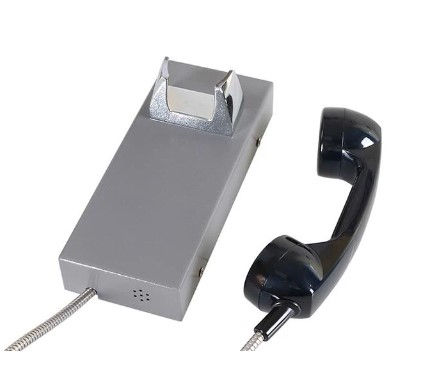


How Our Emergency Phone System Works
Step 1 – Emergency Call Initiated
User activates the emergency phone.
Step 2 – Instant Connection
Call routes directly to the monitoring center.
Step 3 – Situation Assessment
Operator communicates and assesses the incident.
Step 4 – Rapid Emergency Response
Emergency services are dispatched immediately.
Why Choose LightCom’s Highway and Tunnel Telephones?
Choosing the right system is not just about hardware. It is about long-term performance in unpredictable environments.
01
Built for Continuous Outdoor Operation
Designed to handle temperature variation, moisture, vibration, and long-term roadside exposure.
02
Flexible Integration Across Networks
Compatible with legacy systems and modern IP-based communication infrastructure.
03
Adaptable to Project Requirements
Customizable configurations including enclosure type, power supply, and communication interface.
04
Designed for Infrastructure-Scale Deployment
Suitable for highways, tunnels, and large transportation networks requiring centralized control.
05
End-to-End Emergency Communication Support
Seamless connection with control rooms, monitoring systems, and emergency response workflows.
Core Capabilities of Our Tunnel & Highway Emergency Telephones
Highway & Tunnel Emergency Telephones must operate reliably in challenging transportation environments. The following features help ensure dependable communication, long-term durability, and effective emergency response across highways, tunnels, bridges, and other critical infrastructure.
Weatherproof & vandal-resistant design
Engineered with IP65/IP66/IP67 protection and rugged enclosures to withstand extreme weather, dust, and physical impact.
Auto-dial & one-touch operation
A simple interface allows users to instantly connect to emergency services without complexity.
High-visibility construction
Bright colors, reflective markings, and illuminated panels ensure easy identification during emergencies.
Network flexibility
Supports analog lines, SIP/VoIP, and cellular (4G/LTE) connectivity for deployment in diverse environments.
Noise-reduction audio technology
Advanced microphones and speakers provide clear communication despite heavy traffic noise.
Continuous operation capability
Designed for 24/7 use with minimal maintenance and long service life.
Tested and Trusted Across Public Safety Environments


Compliance & Regulatory Standards





Improve Emergency Response Across Highways & Tunnels
Equip your infrastructure with dependable emergency communication systems that help reduce response times and enhance public safety.
Frequently Asked Questions
Q1. How are highway telephones connected in remote areas without wired infrastructure?
In remote locations, highway telephones can use cellular (4G/LTE) or wireless communication technologies to connect with control centers without requiring physical cabling.
Q2. What spacing is typically used when installing highway telephones?
Spacing depends on regulatory standards and road type, but they are generally installed at regular intervals to ensure accessibility within a short walking distance during emergencies.
Q3. How do highway telephones remain visible at night or in poor weather conditions?
They are designed with high-visibility colors, reflective surfaces, and optional lighting features to ensure easy identification in low-light or adverse conditions.
Q4. Are highway telephones scalable for large infrastructure projects?
Yes, they can be deployed across extensive road networks and integrated into centralized systems for unified communication management.
Q5. How are highway telephones monitored after installation?
They can be connected to centralized monitoring systems that track device status, connectivity, and usage, allowing maintenance teams to respond proactively.
Q6. How do tunnel emergency phones support safety operations?
Tunnel emergency phones provide a reliable communication point for reporting incidents, requesting assistance, and supporting coordination between tunnel users and operators.
Q7. Can tunnel emergency telephones operate during power outages?
Depending on the system design, emergency telephones can be supported by backup power supplies, battery systems, or alternative power sources to help maintain communication during outages.
